How to Choose Engine Repair in Arizona
November 4, 2026

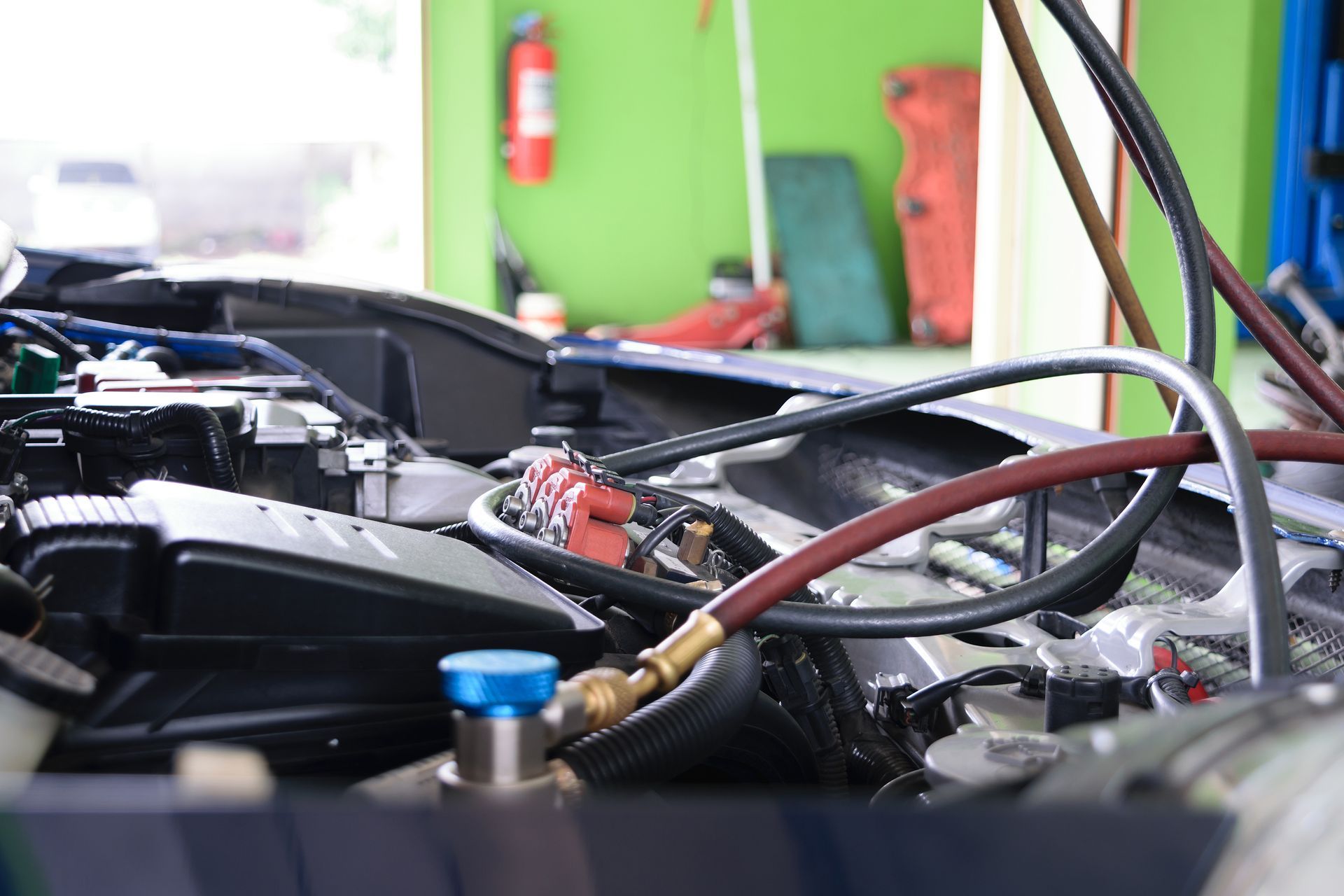
Engine repair addresses problems that affect how your vehicle starts, runs, cools, or delivers power. In White Mountain Arizona, prompt diagnosis matters because heat, elevation, dust, and long drives can worsen small issues. A qualified technician can identify the cause, explain your options, and restore dependable performance safely.
What Does Engine Repair Include?
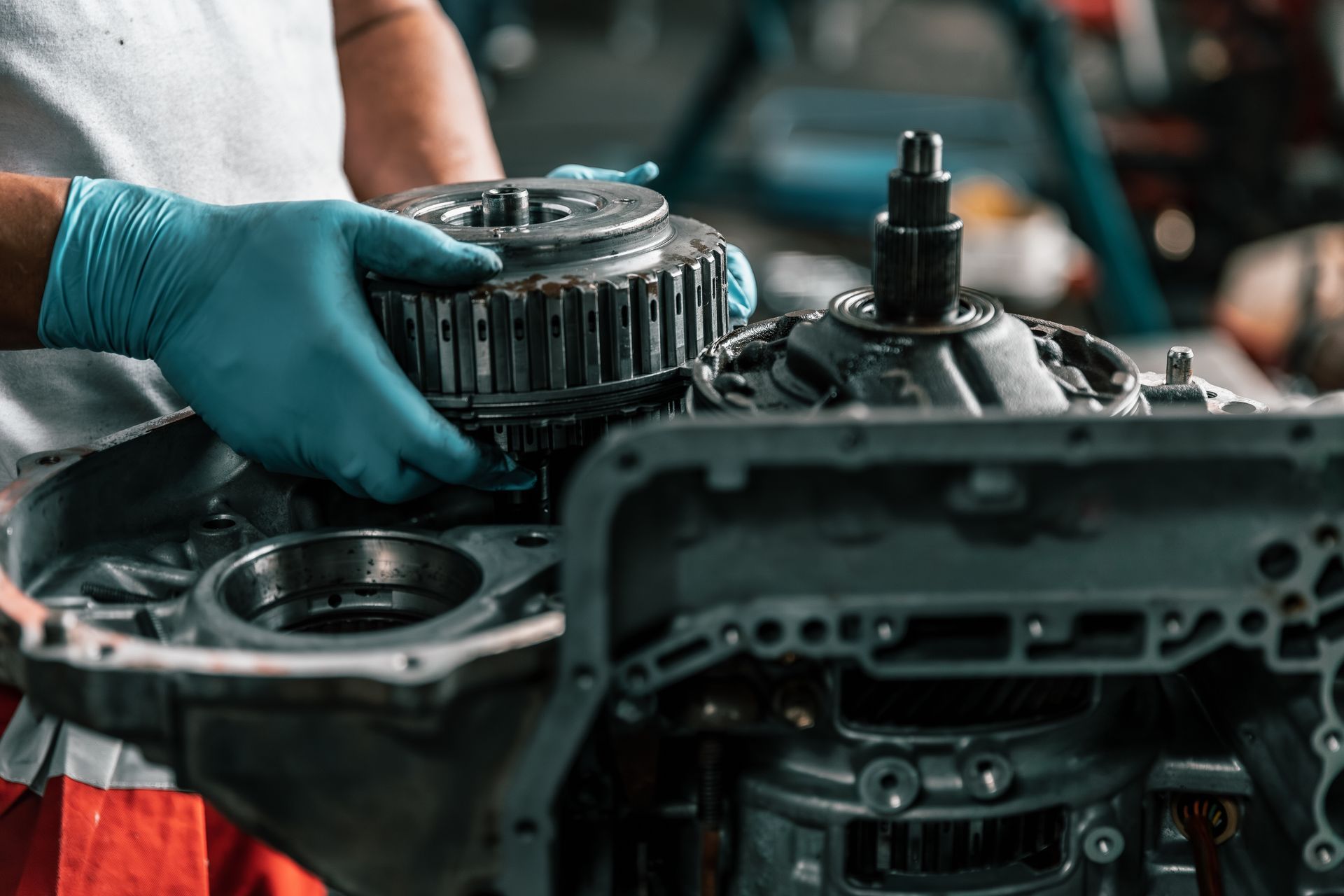
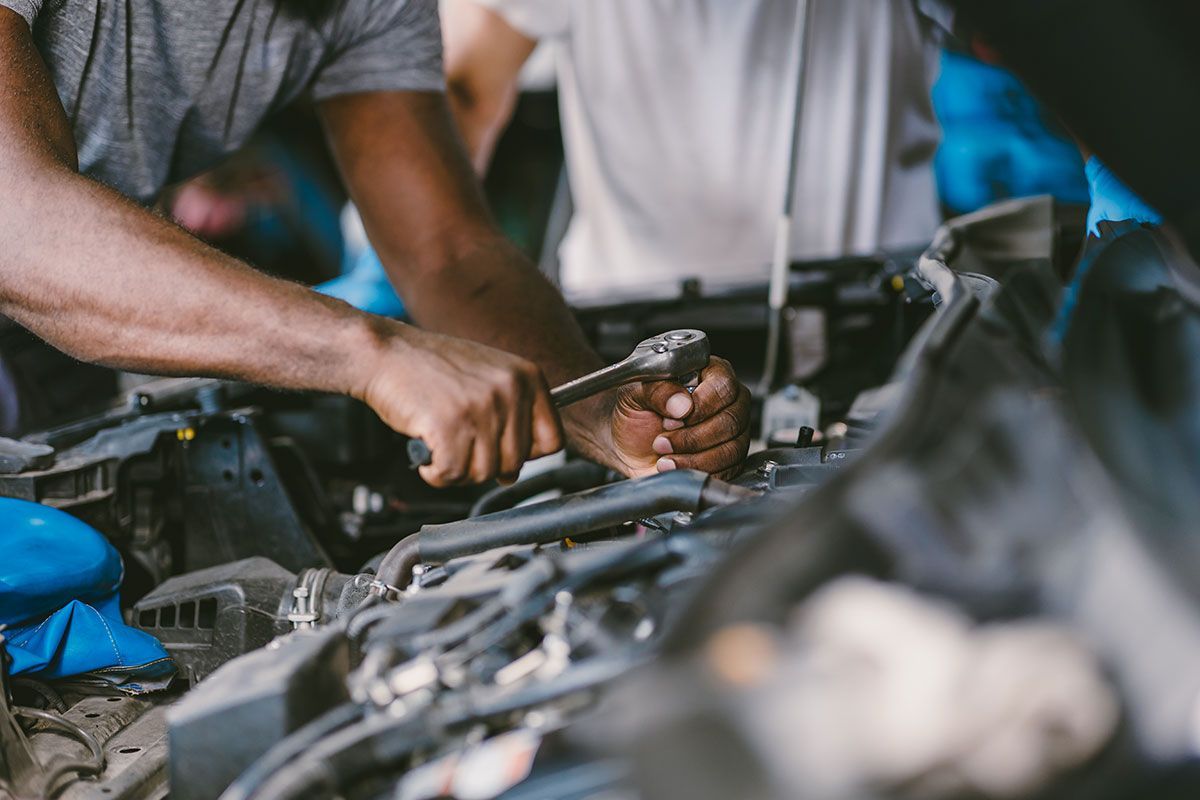
Engine repair is the process of diagnosing and fixing components that help an engine start, run efficiently, and manage heat. It may involve a simple belt replacement, a sensor repair, cooling-system service, or more complex internal engine work.
Common engine repair services include:
- Serpentine belt inspection and replacement
- Diagnostic testing for warning lights and performance concerns
- Cooling-system, radiator, and thermostat repairs
- Battery, alternator, and starter checks
- Oil leak, fuel, ignition, and timing-related repairs
The right repair depends on the symptoms, vehicle age, maintenance history, and diagnostic results. Replacing a part without identifying the cause can waste money and leave the original problem unresolved.
Why Is the Serpentine Belt Important?
The serpentine belt is a continuous rubber belt that transfers power from the engine’s crankshaft to accessories such as the alternator, power steering pump, air conditioning compressor, and sometimes the water pump.
If the belt breaks, several systems may stop working at once. Your vehicle could lose electrical charging, steering assistance, air conditioning, or engine cooling. In some vehicles, continued driving after a belt failure can lead to severe overheating and additional engine damage.
A serpentine belt may need attention when it shows:
- Cracks, fraying, glazing, or missing ribs
- Squealing, chirping, or slapping sounds
- Visible looseness or unusual belt movement
- A battery warning light after starting
- Heavy steering or rising engine temperature
Belts can deteriorate from age, heat, oil contamination, and tensioner or pulley problems. A new belt may fail early if a worn pulley or leaking component is not repaired at the same time.
How Do You Know You Need Engine Repair?
Some engine symptoms require immediate attention. Others may begin as intermittent concerns but become more expensive when ignored. Schedule an inspection if you notice a change in starting, acceleration, engine noise, fuel economy, or temperature.
Warning signs to take seriously
- Check engine, oil pressure, temperature, or battery warning lights
- Repeated stalling, hard starts, or rough idling
- Knocking, tapping, grinding, or persistent squealing
- Blue, white, or excessive dark exhaust smoke
- Oil, coolant, or fuel odors around the vehicle
- Loss of power during hills or highway driving
- Overheating or coolant leaking beneath the vehicle
If the temperature gauge enters the red zone, the oil pressure light stays on, or the engine makes a loud mechanical noise, pull over safely and turn off the vehicle. Continuing to drive can turn a manageable repair into major engine damage. Consider Roadside Assistance if the vehicle cannot be driven safely.
What Causes Serpentine Belt Problems?
Serpentine belt trouble is not always caused by the belt itself. The belt works with a tensioner, idler pulleys, and engine-driven accessories. A failure in any of these parts can create noise, wear, or belt misalignment.
Frequent causes include:
- Normal aging: Rubber loses flexibility and grip over time.
- Excessive heat: Arizona temperatures can accelerate material deterioration.
- Fluid contamination: Oil or coolant can weaken the belt surface.
- Worn tensioners or pulleys: Misalignment can cause uneven wear.
- Accessory failure: A seized alternator or compressor can stop the belt suddenly.
Ask the technician to inspect the complete belt-drive system rather than installing a belt without checking related parts. This approach helps prevent repeat failures.
Can You Drive With a Bad Serpentine Belt?
Driving with a visibly damaged, slipping, or noisy serpentine belt is risky. If it breaks, the alternator may stop charging the battery, power steering may become difficult, and the engine may overheat depending on the vehicle design.
Do not drive if the belt is missing, badly cracked, shredded, or producing loud continuous noise. Turn off the engine and arrange professional service. If the belt only makes a brief noise at startup, the vehicle may still need prompt inspection because the underlying tensioner or pulley issue can worsen without warning.
How Is Engine Repair Diagnosed?
A professional diagnosis combines your description of the problem with visual inspection, testing, and manufacturer-specific information. A warning-light code is useful, but it does not automatically identify the failed part.
A typical diagnostic process may include:
- Reviewing symptoms, driving conditions, and maintenance history
- Checking fluid levels, leaks, wiring, belts, hoses, and visible damage
- Scanning the vehicle computer for stored or pending codes
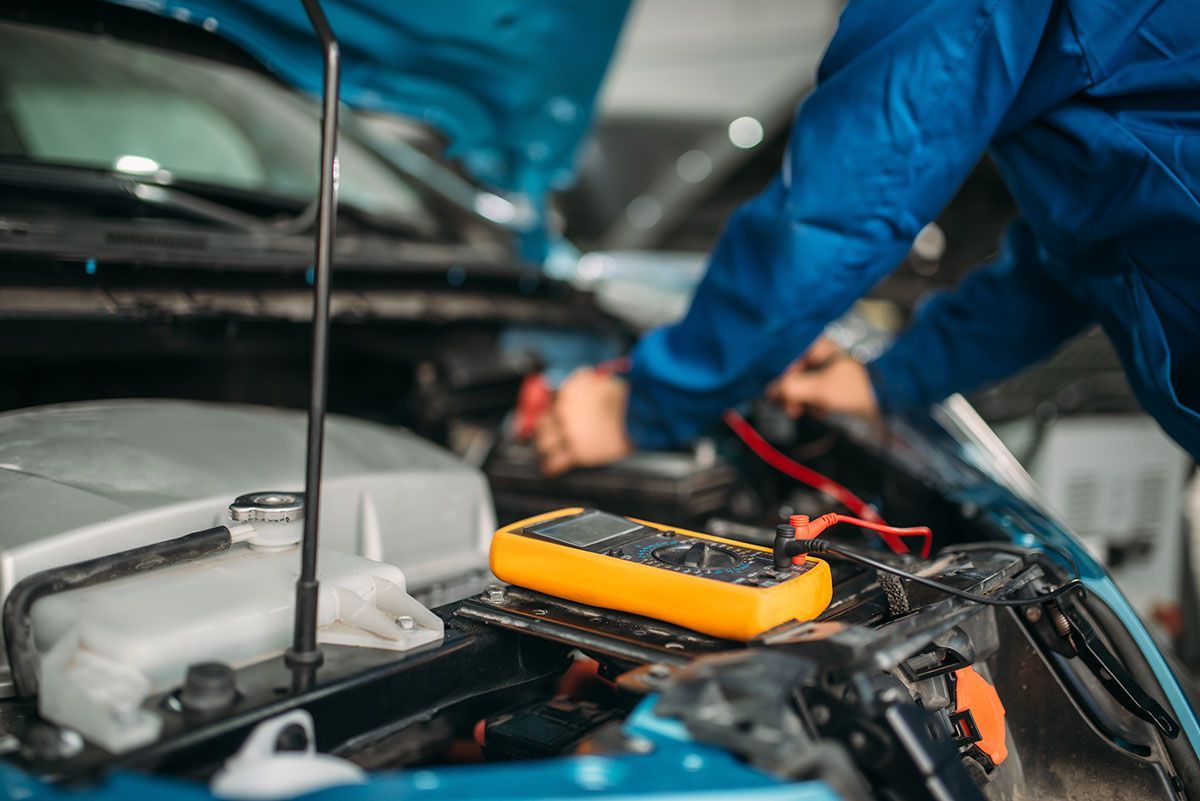
- Testing charging, ignition, fuel, cooling, or belt-drive components
- Explaining the confirmed cause, repair options, urgency, and estimated cost
Choose a shop that communicates findings clearly before performing additional work. You can also review broader Car Care Tips to understand routine maintenance between visits.
Engine Repair for White Mountain Arizona Drivers
Drivers in Show Low, Lakeside, Pinetop, Holbrook, and nearby White Mountain communities may depend on their vehicles for commutes, mountain roads, family travel, and long distances between services. Elevation, temperature swings, steep grades, dust, and extended highway trips can place added demands on cooling, charging, and belt systems.
Local service should account for how and where you drive. A technician may ask whether symptoms appear during cold starts, uphill driving, idle time, air conditioning use, or extended trips. That context helps separate a belt noise from a charging issue, overheating concern, or broader engine problem.
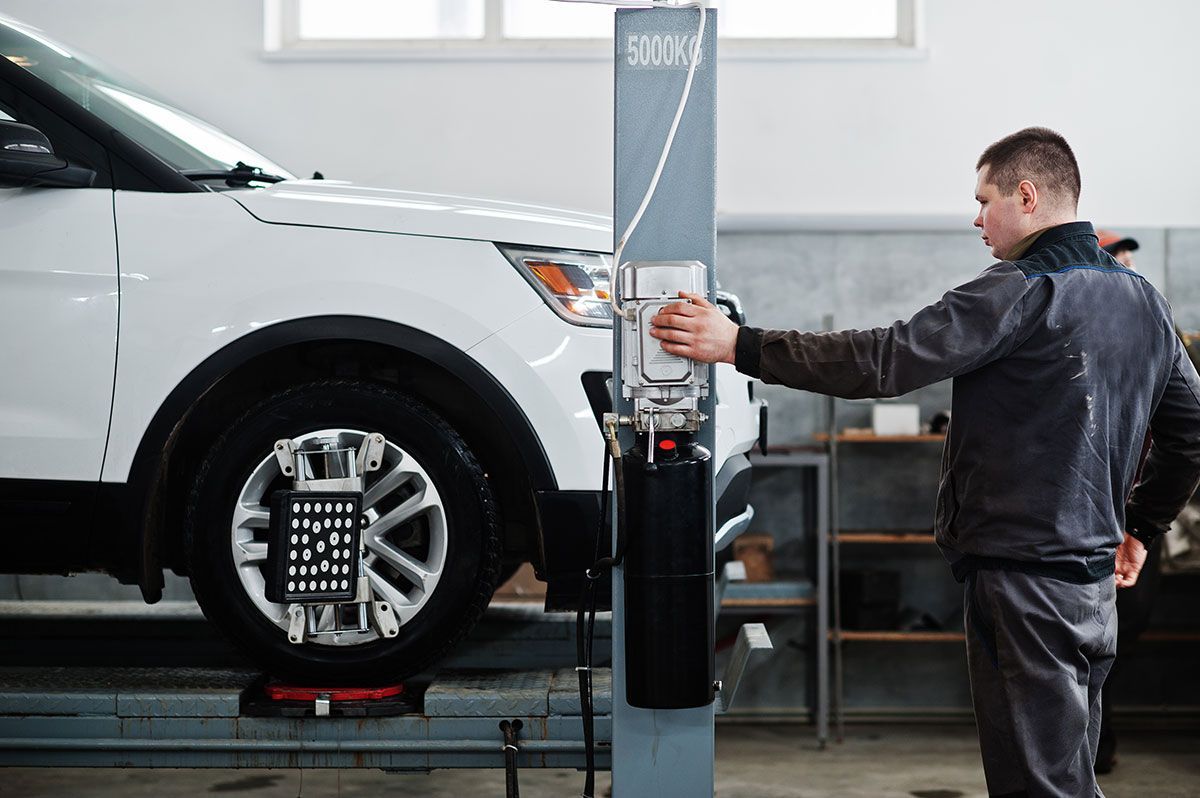
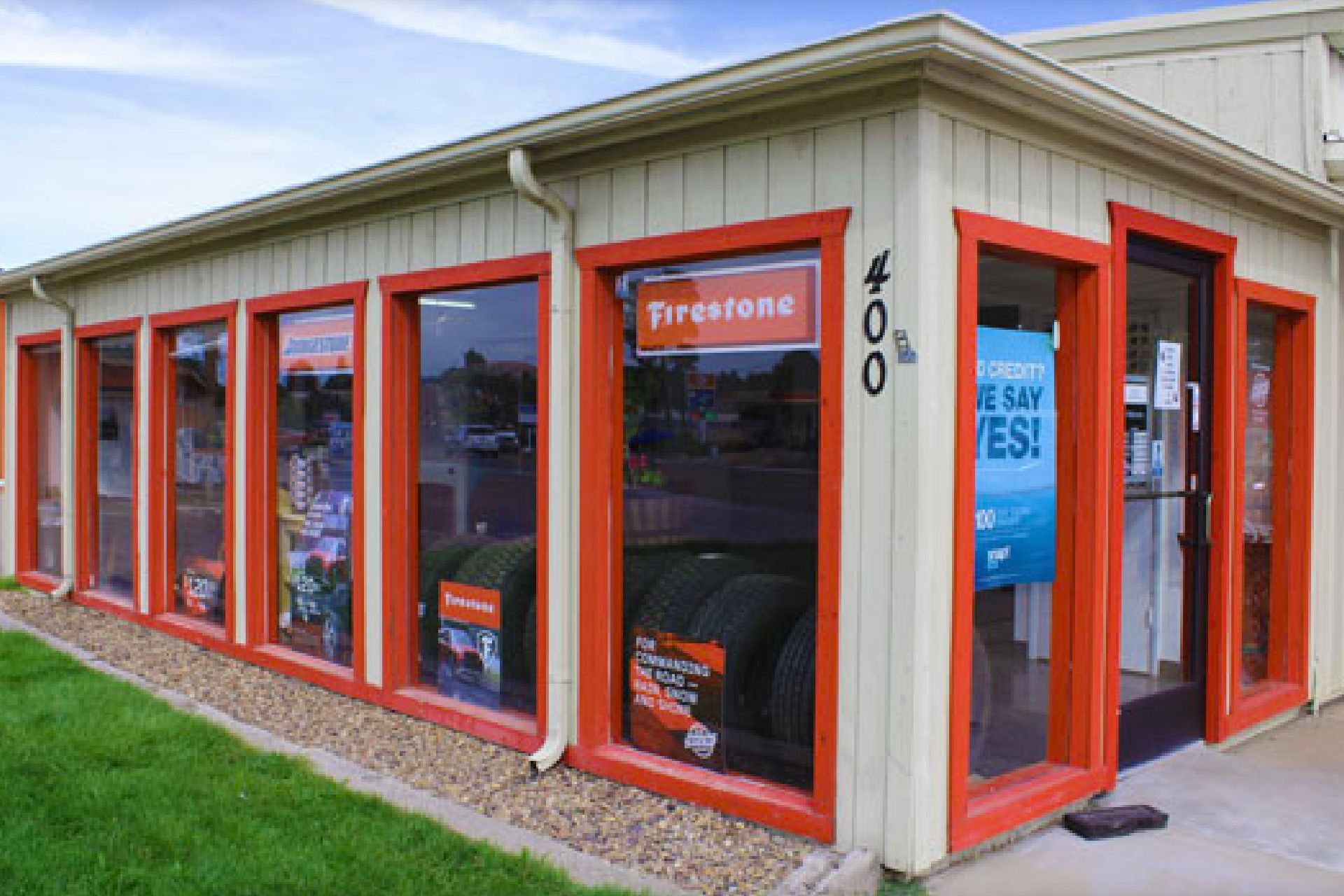
Explore Auto Repair for service information, or select a nearby location before scheduling. The team is known as “White Mountain’s Best,” with TIA-certified staff and alignment technicians trained through Hunter’s two-day, in-person alignment course. Those credentials reflect a commitment to careful, informed vehicle service.
How Can You Prevent Costly Engine Problems?
Regular maintenance cannot prevent every failure, but it can identify wear before a breakdown. Follow your vehicle manufacturer’s maintenance schedule and ask for a visual inspection when the vehicle is already in the shop.
Helpful habits include:
- Check oil and coolant levels as recommended
- Never ignore warning lights or new engine noises
- Replace belts and related parts according to condition and service guidance
- Repair fluid leaks promptly
- Keep records of previous repairs and maintenance
- Have the vehicle inspected before long trips or demanding mountain driving
Avoid opening a hot cooling system or working near moving belts. Engine compartments can contain hot fluids, sharp edges, and components that start unexpectedly.
Frequently Asked Questions About Engine Repair
How much does engine repair cost?
The cost depends on the diagnosis and parts required. A serpentine belt replacement is generally less involved than cooling-system, timing, or internal engine repairs. Request a written estimate that separates diagnosis, parts, labor, and recommended related work.
How often should a serpentine belt be replaced?
Replacement intervals vary by vehicle, climate, mileage, and belt condition. Some belts last many years, but inspection is more reliable than using mileage alone. Replace a belt when it is cracked, frayed, contaminated, noisy, or outside the manufacturer’s service guidance.
Does a check engine light always mean major engine damage?
No. The light may indicate anything from an emissions sensor issue to a misfire or fuel-system problem. A flashing check engine light usually signals a more urgent misfire. Reduce driving and seek professional diagnosis rather than assuming the worst.
Can a bad serpentine belt cause a check engine light?
It can, depending on the vehicle and the systems affected. Belt failure may interrupt alternator output or engine cooling, triggering warning lights. A warning light should be diagnosed alongside a belt inspection instead of treated as a belt problem automatically.
Choose Trusted Engine Repair in Arizona
Engine repair is the right next step when warning lights, unusual sounds, overheating, starting problems, or belt wear affect your vehicle. Serpentine belt issues deserve prompt attention because one failed belt can disable multiple systems. For White Mountain Arizona drivers, a qualified local shop can combine careful diagnostics with practical repair recommendations suited to local roads and driving conditions.
Notice a symptom? Review your options, avoid driving an unsafe vehicle, and schedule an appointment for professional engine repair. The team is ready to inspect the problem, explain the findings, and help you get back on the road with confidence.
Appointments
To provide you with the best service, please schedule an appointment at your convenience. This helps us accommodate your needs and dedicate time for your questions or concerns, ensuring you receive personalized attention.
SHARE THIS
Latest Posts