Brake Repair Signs, Service Steps, and Local Help in Arizona
February 5, 2026

Brakes rarely fail all at once. Most problems start as small changes that are easy to ignore, a faint squeal, a little extra pedal travel, or a subtle vibration when you slow down. In Northern Arizona, those small changes can become big safety issues quickly because we drive through steep grades, changing weather, and long stretches of highway where confident stopping power matters.
If you have ever wondered whether you should get your brakes checked now or wait, this guide is for you. We will walk through the most common warning signs, what technicians actually inspect during a brake service, and what you can do to protect your rotors, pads, and brake fluid over time.
At the end, you will also find direct links to schedule brake repair at the Future Tire location that is closest to you in Lakeside, Pinetop, Show Low, or Holbrook.
1. The most common signs you need brake repair
Brake problems usually announce themselves through sound, feel, or performance. A high pitched squeal when you slow down is often the wear indicator in your brake pads letting you know they are nearing the end of their life. When that sound turns into a grinding noise, it can mean the pad material is gone and metal is contacting the rotor, which can increase repair costs.
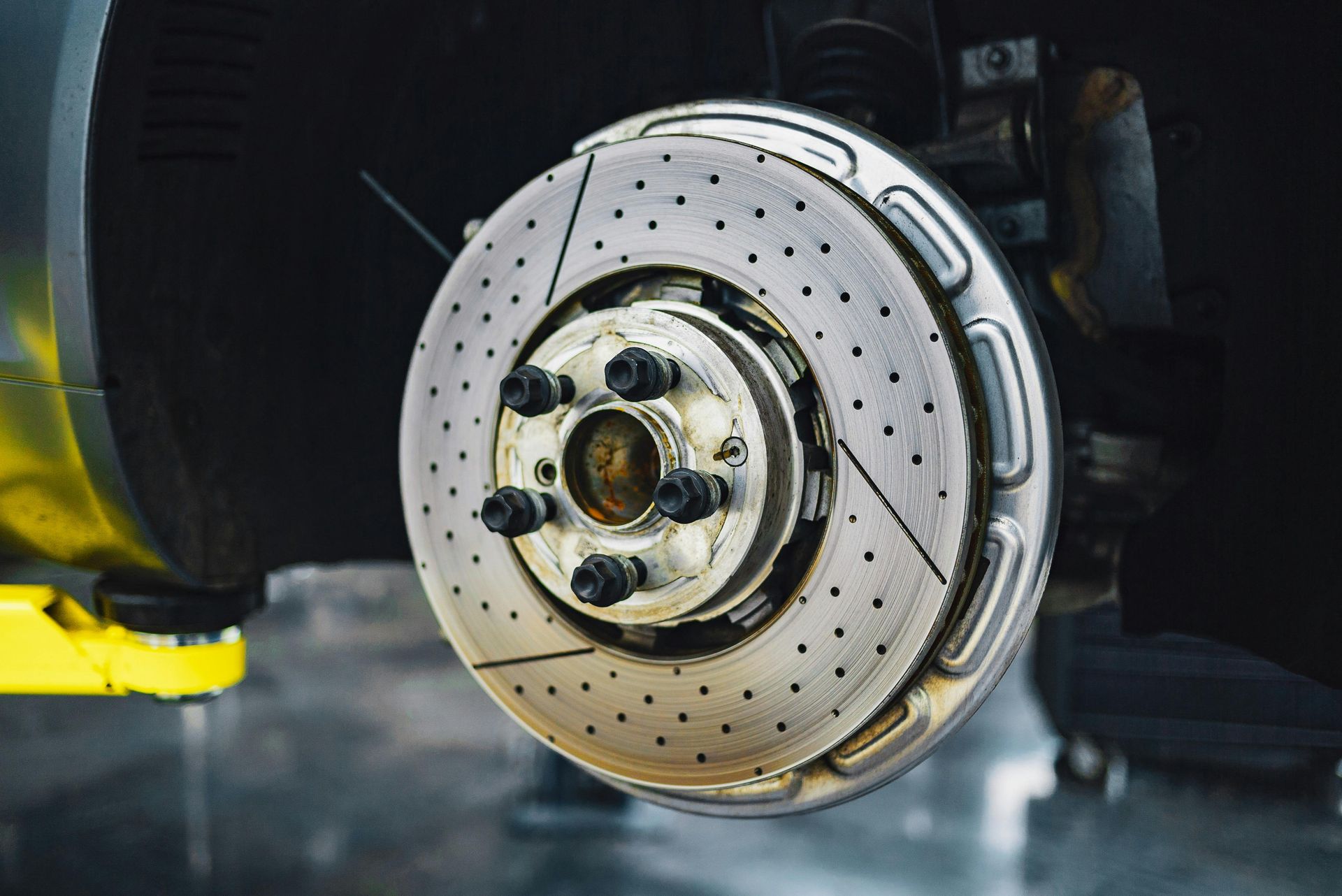
Pay attention to the steering wheel and brake pedal. If you feel pulsing, vibration, or shaking while braking, the rotors may be warped or uneven. This can happen from heat, repeated hard stops, or simply wear over time. It can also feel like the vehicle is stopping in small surges rather than smoothly.
Another big sign is longer stopping distance. If you have to push harder than usual, or your vehicle takes longer to come to a stop, the pads may be worn, the fluid may be contaminated, or there may be a caliper issue. A soft or spongy pedal can point to air in the lines, old brake fluid, or a leak. If your brake warning light comes on, schedule an inspection as soon as you can.
Quick question: have you noticed any new noises, vibration, or a change in pedal feel in the last two weeks? Those are exactly the kinds of early symptoms that are easiest to diagnose and fix before they become a larger issue.
2. What a professional brake service includes
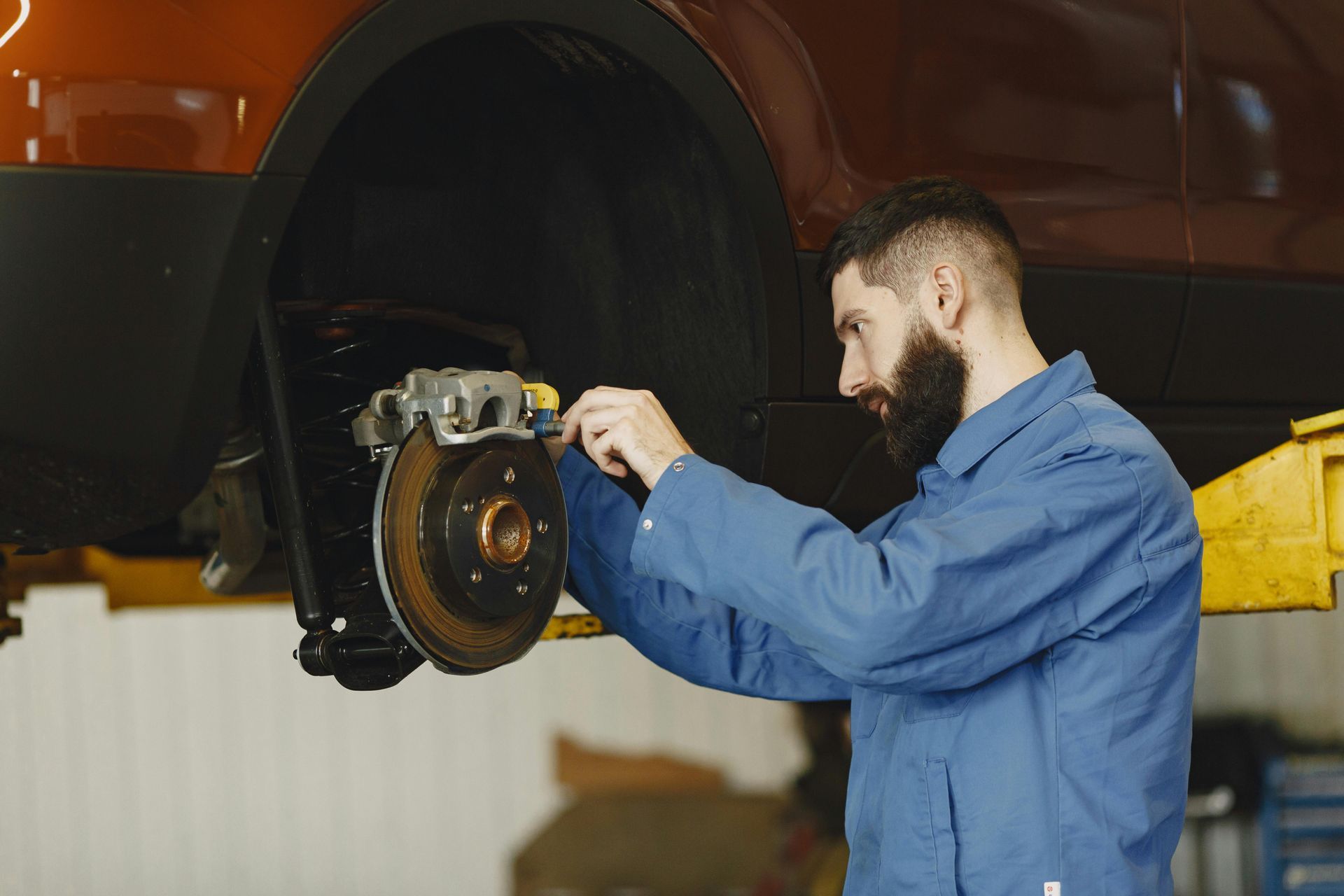
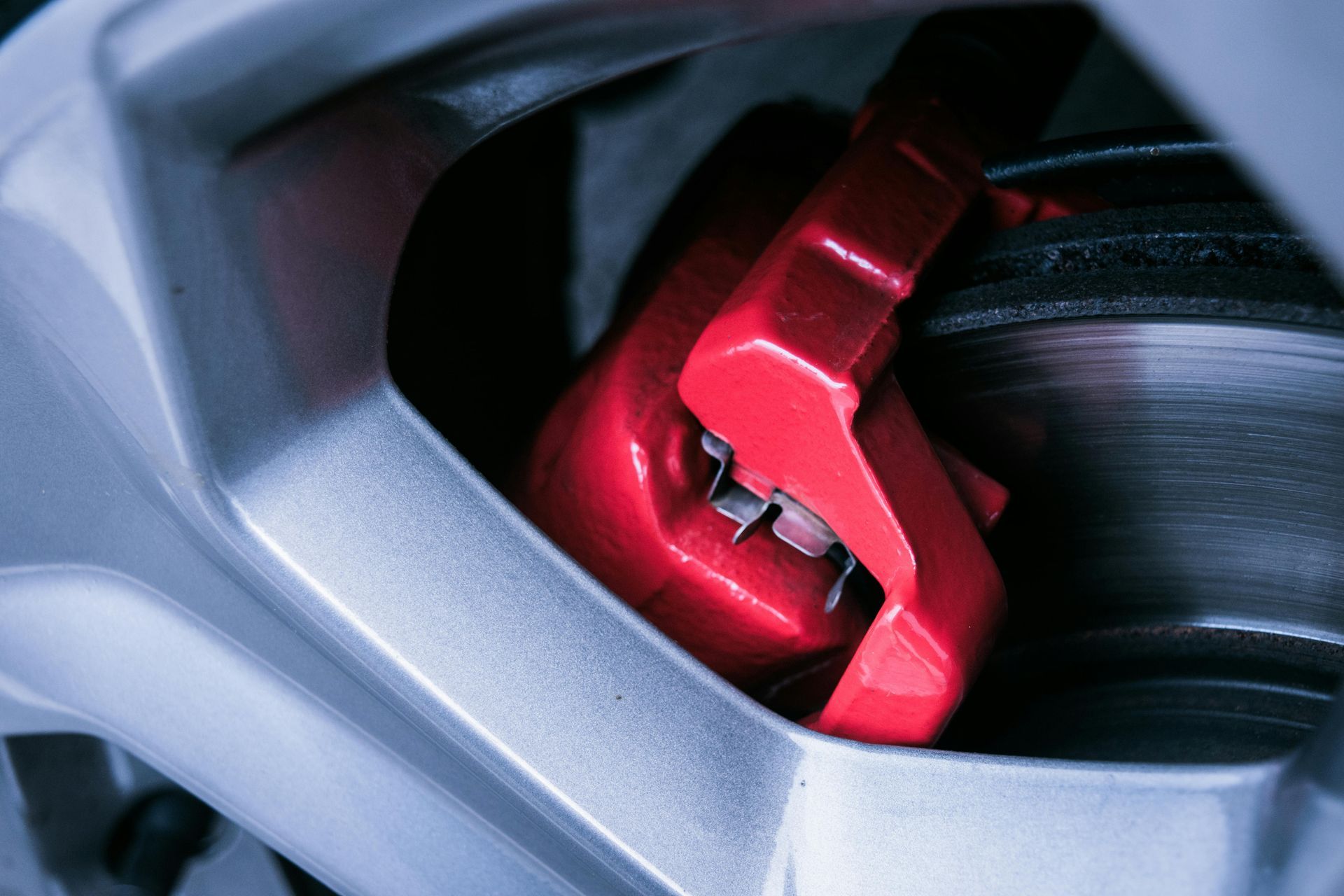
Brake repair is not one single job, it is a set of checks and services based on what your vehicle needs. A proper inspection starts with measuring pad thickness and inspecting the rotor surface for scoring, heat spots, and uneven wear. Technicians also check calipers and slide pins, because a sticking caliper can cause one pad to wear faster and can create pulling while braking.
Brake fluid is another key part of the system. Brake fluid absorbs moisture over time, which can reduce braking performance and increase internal corrosion. During service, shops can check fluid condition and recommend a fluid exchange if it is dark, contaminated, or overdue for your vehicle.
Depending on your symptoms and wear, your brake service may include brake pad replacement, rotor resurfacing or replacement, caliper service or replacement, and brake fluid exchange. The goal is always the same, predictable stopping, smooth pedal feel, and safe operation in everyday driving and in emergency braking situations.
If you are unsure what your vehicle needs, that is normal. A good shop will explain what they found, show you the measurements, and help you prioritize what is needed now versus what can be scheduled later.
3. Why Arizona driving can wear brakes faster
Northern Arizona drivers deal with a mix of conditions that can be hard on brake systems. Mountain grades mean more sustained braking, especially when traveling downhill. If you ride the brakes instead of downshifting, heat builds up quickly and can contribute to rotor warping and reduced pad life.
Weather can also play a role. Cold mornings and winter road conditions can change traction and braking feel. Sand and debris on the road can accelerate wear, and moisture can affect braking performance if components are already worn or if brake fluid is overdue for replacement.
Stop and go driving in town adds up too. Frequent braking creates steady wear, and heavier vehicles or vehicles carrying gear for trips to the mountains may stress the brakes more. That is why routine inspections are so valuable, they catch issues early and help you avoid surprises when you need your brakes most.
4. When to schedule a brake inspection
A simple rule of thumb is to have your brakes checked every 10,000 to 15,000 miles, or at least once a year. Many drivers also schedule a brake inspection during an oil change because it is convenient and keeps maintenance consistent. If you travel often, tow, or drive mountain roads regularly, more frequent checks are a good idea.
Schedule an inspection right away if you notice squealing, grinding, vibration, pulling to one side, longer stopping distances, a soft pedal, or a brake warning light. Those symptoms often indicate wear or a problem that should be addressed sooner rather than later.
Second quick question: are you planning a longer trip soon, or have you noticed the vehicle feels different when you slow down on hills? A pre trip brake check can be one of the simplest ways to reduce risk and protect your vehicle.
5. Get brake repair near you in the White Mountains and Holbrook area
If you are searching for dependable brake repair near you, Future Tire offers brake inspections and repairs across multiple communities. Choose the location closest to you to learn more about the service page and schedule an appointment:
Conclusion
Brake repair is about more than replacing pads, it is about restoring confidence every time you slow down. If you have noticed noises, vibration, or changes in pedal feel, an inspection can help you understand what is happening and what it will take to fix it. Catching brake issues early often protects rotors, improves safety, and helps you avoid more expensive repairs later.
When you are ready, use the links above to visit your nearest location page and schedule service. A quick brake check today can make your next drive safer, smoother, and far less stressful.
Appointments
To provide you with the best service, please schedule an appointment at your convenience. This helps us accommodate your needs and dedicate time for your questions or concerns, ensuring you receive personalized attention.
SHARE THIS