What “tire insurance” actually means
“Tire insurance” is a common umbrella term. On receipts and contracts, you may see it listed as:
- tire protection / tire protection plan
- road hazard warranty on tires or road hazard coverage
- wheel and rim protection (usually bundled with tire coverage)
These plans generally aim to provide tire warranty coverage for hazards encountered on the road; things like punctures, impact damage, and blowouts; subject to terms, limits, and exclusions.
Why drivers buy tire protection plans
Modern tires can be pricey, and certain failures are both common and costly. A strong tire protection plan can help you:
- Avoid paying full price for a replacement tire after a road hazard
- Get puncture repair reimbursement when a repair is eligible
- Reduce stress if your area has heavy construction, rough roads, or extreme heat
- Add value if you drive long distances or rely on your vehicle for work
This is especially relevant in Arizona, including AZ metro areas, where heat, debris, and road surfaces can be hard on tires.
What tire warranty coverage options typically include
Coverage varies by provider, but these are common benefit categories found in tire warranty coverage options:
1) Road hazard damage coverage
“Road hazard” usually means damage from unexpected objects or conditions on a public road. Examples often include:
- Nails, screws, glass, sharp debris (punctures)
- Potholes and road seams (impact damage)
- Certain blowouts caused by hazards
This is the core of most road hazard coverage offerings.
2) Repair or replacement benefits
Depending on the plan and the tire’s condition, you may receive:
- Repair at no cost (or reduced cost)
- Replacement with prorated coverage based on remaining tread life
- A set maximum benefit per tire
Some contracts reimburse instead of replacing directly, especially if you’re away from the selling dealer, using puncture repair reimbursement rules.
3) Wheel and rim protection (if included)
A tire and wheel warranty may extend beyond the tire to cover:
- Bent wheels from pothole impacts
- Cosmetic damage may be excluded (depends on the plan)
If you run low-profile tires, wheel and rim protection can be the difference between a manageable bill and a very expensive surprise.
4) Optional roadside assistance tire coverage
Some plans include (or upsell) roadside assistance tire coverage, which may help with:
- Flat-tire changes (if you have a usable spare)
- Lockout or jump-start services (varies)
This can be useful, but it’s important to compare it to benefits you may already have through your auto insurance, credit card, or vehicle warranty.
Does tire coverage include sidewall damage?
A top question is: does tire coverage include sidewall damage? Sometimes,but not always.
- Many plans cover sidewall punctures or impact breaks if they’re clearly caused by a road hazard and the tire is otherwise within eligibility rules.
- Some plans exclude sidewall damage entirely or treat it more strictly because sidewalls often can’t be repaired safely.
Your best move: read the exact definition of “road hazard” and replacement eligibility in your contract before you buy.
Exclusions in tire protection plans: what often gets denied
Even the best tire protection plans have limits. Common exclusions in tire protection plans often include:
- Normal wear (tread wear-out)
- Damage from improper inflation (under/overinflation)
- Misalignment, suspension issues, or uneven wear
- Racing, off-road use, or commercial use (depending on terms)
- Cosmetic wheel issues (scratches/scuffs) if the plan only covers structural damage
- Failure to rotate tires or maintain records (some plans require proof)
Tip: Ask the seller, “What are the top three claim denial reasons you see?” It’s a fast way to understand real-world exclusions.
Deductibles, limits, and the true cost of tire protection plans
The cost of tire protection plans varies based on tire size, vehicle type, and whether wheels are included. Pricing can be structured as:
- A single upfront cost for a set term (e.g., 2–5 years)
- Per-tire pricing (common with specialty fitments)
- Bundles with wheel protection and roadside services
Also confirm the deductible for tire damage coverage. Some plans offer:
- $0 deductible for repairs
- A fixed deductible per replacement
- A percentage-based customer share (less common)
When comparing plans, look beyond the sticker price and evaluate:
- Proration rules (how tread wear reduces benefits)
- Whether mounting/balancing, valves/TPMS service, taxes, and disposal fees are covered
Tire protection plan vs manufacturer warranty: what’s the difference?
Understanding tire protection plan vs manufacturer warranty prevents disappointment at the counter.
Manufacturer warranty (typical)
A manufacturer warranty usually focuses on:
- Defects in materials/workmanship
- Sometimes a treadwear mileage warranty (with strict maintenance rules)
It usually does not cover road hazard incidents like nails or potholes.
Tire insurance / road hazard plan (typical)
A tire protection plan is designed for:
- Punctures and impacts from road hazards
- Repair or replacement following a covered incident
Bottom line: the two types of coverage can complement each other, but they don’t overlap as much as people assume.
Tire replacement claim process: how to file a tire claim smoothly
Claims are where value is won or lost. Here’s a practical, low-stress tire replacement claim process and how to file a tire claim approach:
- Stop driving if the tire is unsafe Continuing to drive can turn a repairable puncture into an unrepairable failure.
- Take clear photos of the tire, tread, sidewall, and any visible puncture
- Note the date, location, and what happened (pothole, debris, etc.)
- Check tread depth requirements (many plans require above a minimum)
- Verify the plan is active and the tire is listed/covered
- Bring the vehicle to an authorized shop
- Many plans require inspection at the selling dealer or a network location
- If traveling, ask about out-of-network reimbursement rules
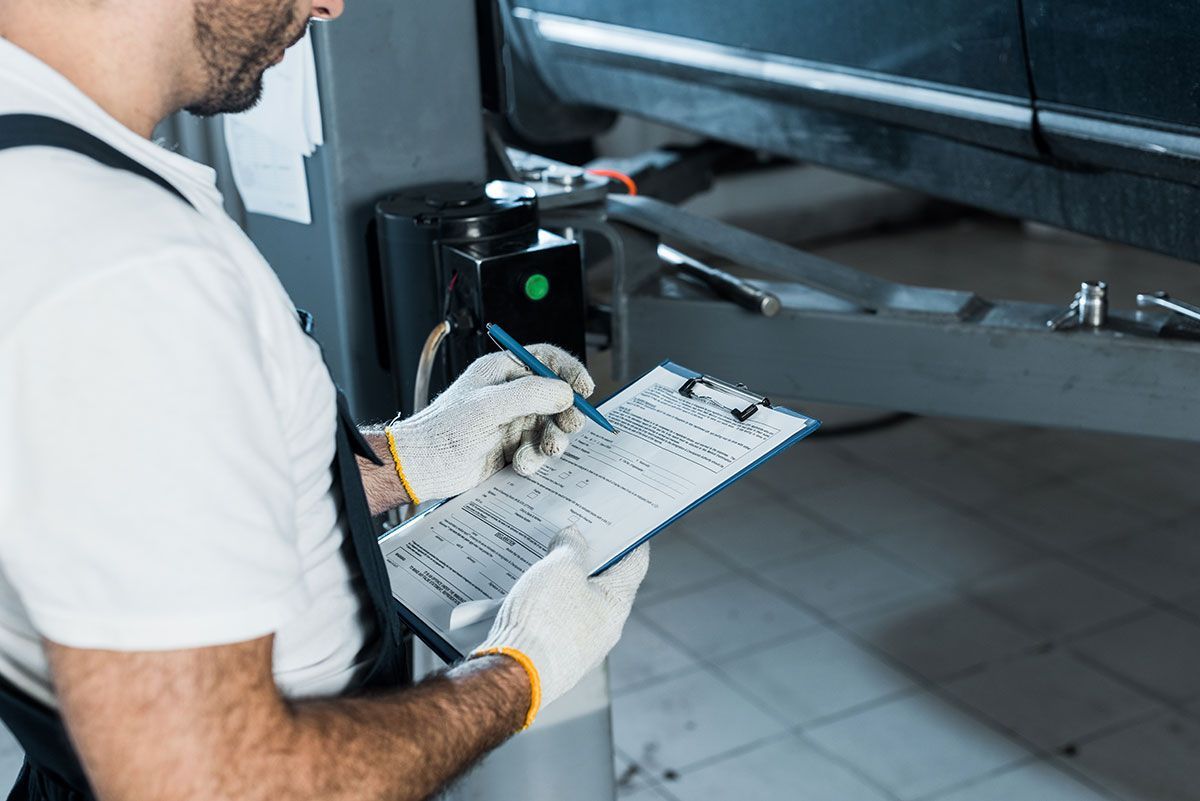
- Submit required paperwork For reimbursement-style plans, you may need:
- Tire DOT number or tire details
- Maintenance/rotation records (if required)
- Understand what you’ll pay today Even with coverage, you might owe:
- Mount/balance fees (if not included)
- Upgrades (if the exact tire isn’t available)
If your plan offers benefits or an affiliated network (some brands market plan tiers that way), ask whether claims are faster in-network and whether replacements must match the original tire model.
Buying tire insurance in Arizona: what to ask before you sign
If you’re shopping in Arizona, especially in high-heat areas. Ask these questions at checkout:
- Is this road hazard warranty on tires prorated, and when does proration start?
- Are repairs free, and is replacement covered at 100% early in the term?
- Do you cover sidewall damage, specifically, does tire coverage include sidewall damage from potholes?
- What is the deductible, exactly?
- Are wheel repairs included (true wheel and rim protection)?
- Do I need rotation records to keep coverage active?
- Can I file claims while traveling, and what’s the reimbursement timeline?
Also consider your driving pattern. A plan that’s great for a highway commuter may not be ideal for a ride-share driver or a desert-road frequent traveler.'
Best tire protection plans: what “best” should mean for you
There isn’t one universal winner. The best tire protection plans tend to share these traits:
- Clear, simple definitions of covered road hazards
- Reasonable deductibles and transparent proration
- Coverage for common fees (mounting/balancing) or clearly stated exclusions
- Straightforward claims and broad shop access
- Strong wheel coverage if you have expensive rims
If you’re comparing retailers, ask them to show you the claim caps and proration table, those two items often matter more than the marketing brochure.
Alternative to tire protection plan
A smart alternative to tire protection plan can be self-insuring:
- Set aside a “tire fund” (e.g., a small monthly amount)
- Choose tires with strong built-in warranties and buy from a shop with good customer support
- Use existing roadside programs if your main concern is getting unstuck, not replacement cost
You might skip tire insurance if:
- Your roads are consistently smooth
- You already have robust coverage elsewhere and replacement costs won’t strain your budget
Quick takeaway
Tire insurance, whether labeled tire hazard insurance, a tire and wheel warranty, or a tire protection plan, can be worth it when your risk of punctures and pothole damage is high, your tires/wheels are expensive, or you want predictable costs. The key is matching coverage to your real driving conditions, understanding exclusions, and knowing exactly how the claim process works before you need it.